

Does TMS Therapy Help Anxiety? An Honest Look at the Research
Does TMS therapy help anxiety? Learn how TMS may ease anxiety symptoms, who benefits most, and what to expect before starting treatment.

Anxiety can drain your focus, interrupt your sleep, and make ordinary routines feel much harder than they should. When medication causes unwanted side effects or talk therapy stops moving you forward, many people begin looking for treatment options that offer measurable results supported by research. Transcranial Magnetic Stimulation, or TMS, is one of the treatments gaining attention for this exact reason.
This guide breaks down what current studies show, how the treatment works, and what results you can realistically expect, all in clear language that makes sense in everyday life.
If you are considering TMS or want help sorting through your options, a licensed provider can offer guidance that fits your symptoms and goals. You can learn more about our approach to anxiety care at charakcenter.com.
What Is TMS Therapy?
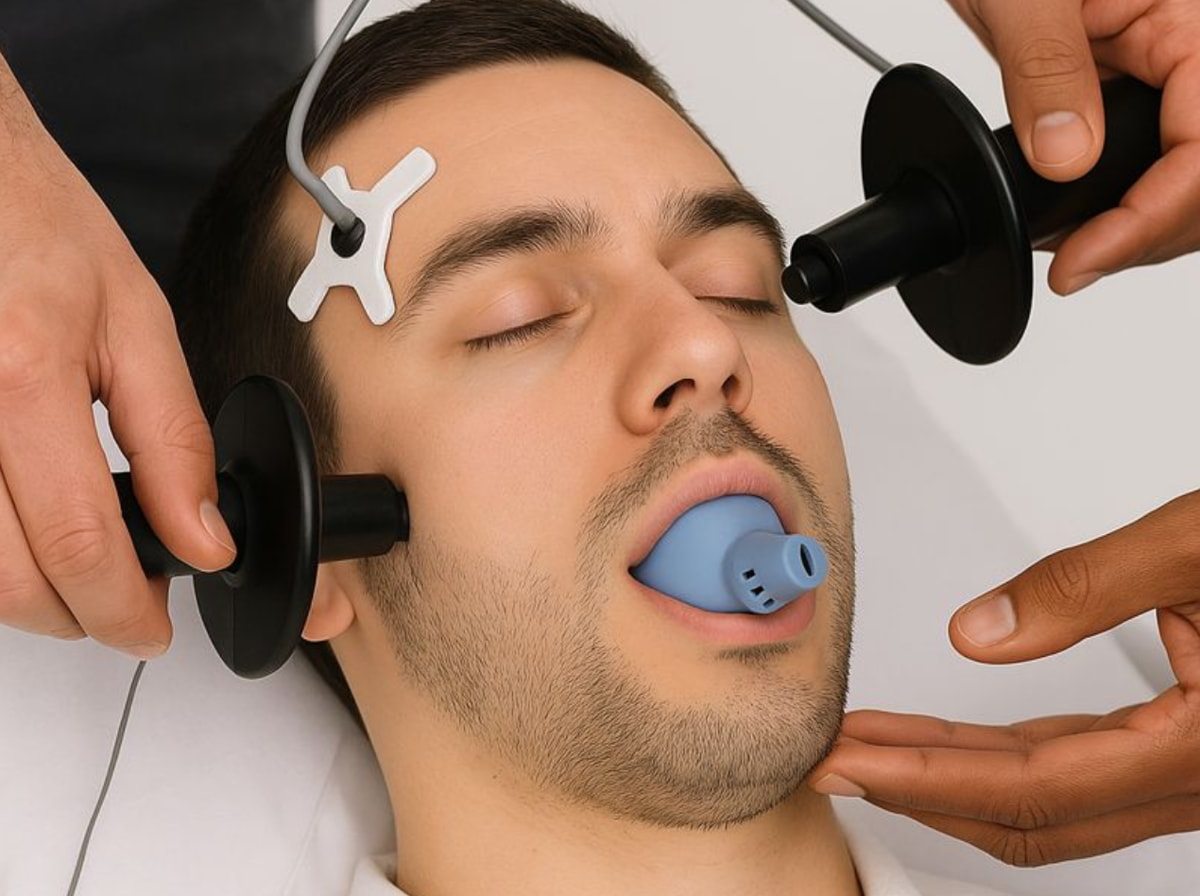
TMS or Transcranial Magnetic Stimulation, is a treatment that uses magnetic pulses to activate specific brain regions that influence mood, focus, and emotional regulation. The main target is the dorsolateral prefrontal cortex, an area often involved when anxiety or depression symptoms keep repeating the same patterns.
The process is simple. You sit in a treatment chair while a coil is placed against your scalp. The coil sends brief magnetic pulses that create small electrical changes in the brain. These changes help encourage healthier communication between neural circuits that affect stress and mood. There is no medication involved, no anesthesia, and no downtime. Many people return to work or school right after a session.
TMS is FDA cleared for major depressive disorder, and ongoing research shows that it may also reduce anxiety symptoms for certain individuals. Studies suggest that stimulating targeted brain regions can ease tension, improve emotional control, and support better responses to stress. This makes TMS a promising option for people who want something backed by data and not just another trend in mental health care.
How TMS Could Affect Anxiety in Your Brain
Anxiety often comes from brain circuits that fire too quickly or do not communicate efficiently. These imbalances can keep the body in a constant state of alert, even when there is no real threat. TMS aims to influence these circuits in ways that support calmer, more regulated activity.
Here are some of the key effects researchers have observed:
- Stimulates the dorsolateral prefrontal cortex: This region helps regulate emotions, attention, and decision making. Its role in controlling mood is one reason TMS is being explored for treating anxiety and related conditions.
- Strengthens connections between the prefrontal cortex and deeper structures involved in fear and stress: This effect can improve the brain’s ability to settle after a trigger, which is especially relevant for individuals with post traumatic stress disorder or high occupational stress.
- Reduces hyperactivity in anxiety-related circuits: This may lower constant worry, muscle tension, and the sense of being on alert that often accompanies both anxiety and depression disorders. These improvements can help prevent anxiety worse reactions to everyday stressors.
- Supports healthier communication across mood and attention networks: This can improve clarity, focus, and emotional control, and may support individuals who have not responded well to selective serotonin reuptake inhibitors or other traditional treatments used for mental health conditions.
- Encourages more balanced neural activity over repeated sessions: This may help the brain shift away from the constant high-alert state linked to chronic anxiety. Over time, patients often report steadier mood control and better recovery from panic responses, even when symptoms are tied to traumatic brain injury or other complex conditions.
When these changes build over time, many people experience a steadier mood and a noticeable drop in constant tension.
When these changes build over time, many people experience a steadier mood and a noticeable drop in constant tension, which aligns with findings in the Charak Center’s research.
Does TMS Therapy Actually Help Anxiety? What Research Says
TMS was developed and cleared for depression first, so anxiety research began later. Even so, there is growing evidence that TMS may help reduce anxiety symptoms for many people. The strength of the results varies based on the type of anxiety being treated. Here is what current studies and real-world data show.
Generalized Anxiety Disorder (GAD)
Several studies have found that TMS may lower anxiety severity in people with GAD. Research published in peer-reviewed journals, including work from OUP Academic, reports reduced worry, tension, and physiological symptoms after repeated stimulation of the prefrontal cortex. While the sample sizes are still relatively small, these findings suggest that targeted stimulation may help calm the circuits that drive chronic, excessive worry.
Comorbid Anxiety with Depression
Many people experience anxiety and depression at the same time, and this group may see the most consistent improvement with TMS. Research shows that when TMS reduces depressive symptoms, anxiety symptoms often improve as well. This response appears strongest in individuals whose anxiety is tied to rumination, low motivation, or mood swings. In some studies, anxiety reductions continue even after depression scores stabilize, suggesting a meaningful secondary effect.
Real-World Clinics Seeing Promise
Outside of research settings, many clinics report noticeable improvements in patients with persistent anxiety symptoms. Treatment centers highlights decreased tension, improved focus, and better emotional stability after full TMS protocols. These reports are not controlled studies, but they offer useful insight into how TMS performs in daily clinical practice with diverse patients.

Safety and Side Effects: What Most Patients Experience
TMS has a strong safety record, and most people tolerate it well. Side effects are usually mild and short-lived, especially during the first few sessions.
Common side effects include:
- Temporary scalp discomfort where the coil is placed: Many patients describe a tapping or pressure sensation under the electromagnetic coil. This is normal with noninvasive brain stimulation and tends to decrease as treatment continues, even in individuals using approved TMS protocols such as deep TMS, theta burst stimulation, or intermittent theta burst stimulation.
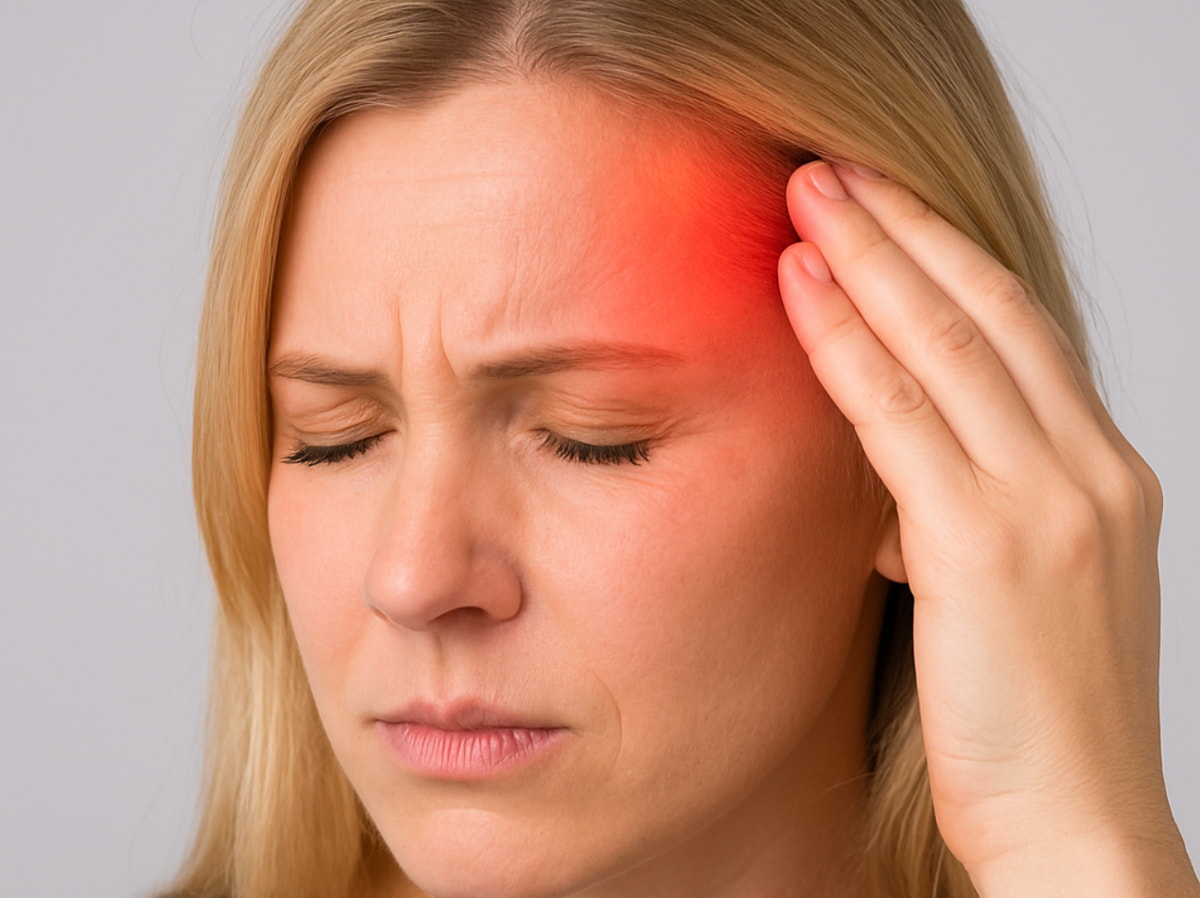
- Mild headache after a session: Headaches usually resolve within a short time and respond well to simple pain relief. These headaches are not linked to sexual dysfunction or the systemic side effects sometimes seen with medications used for mental health disorders or mood disorders. As the brain adapts to repeated sessions, this symptom typically fades.
- Light facial muscle twitching during stimulation: Magnetic pulses can briefly activate nearby muscles on the forehead or temple. This effect is harmless and stops as soon as stimulation ends. It has been observed across various brain stimulation therapies and does not indicate a problem with treatment.
- Fatigue during the early phase of treatment: Some people feel more tired during the first week as the brain adjusts. This is temporary and improves quickly. Despite mild fatigue, many patients still note significant improvement in anxiety scores and mood control over time, even when treating complex conditions such as obsessive compulsive disorder, separation anxiety disorder, or other mental health conditions.
Most people continue work, school, or daily activities right after each session.
Less common side effects include:
- Mild dizziness: A small number of patients report brief dizziness during early sessions. This typically lasts only a few minutes and is more common in individuals who are new to noninvasive brain stimulation. It does not interfere with continued treatment, including deep TMS or theta burst stimulation.
- Temporary sleep changes: Some people notice small shifts in sleep patterns as the brain adjusts to treatment. These changes are usually mild and short term. They often improve as anxiety scores stabilize and mood disorders begin to respond to treatment. Sleep changes are not associated with sexual dysfunction or other systemic issues seen in certain medication-based approaches.
- A very low risk of seizure in individuals with specific medical conditions: The seizure risk is rare and occurs primarily in people with preexisting neurological vulnerabilities, such as traumatic brain injury or epilepsy. Clinicians screen for these concerns before starting approved TMS protocols, whether traditional rTMS, intermittent theta burst stimulation, or other brain stimulation therapies.
Clinicians screen for medical history, current medications, and neurological conditions to keep treatment safe. When screenings are done correctly, the risk remains extremely low across all mental health conditions being treated, and patients who need remote follow-up or additional support can access care through telemedicine services.
Clearing Up the Most Persistent Myths about TMS
Many concerns about TMS come from misunderstandings rather than evidence. These are some of the most common myths and the facts behind them.
Myth: TMS is the same as electroconvulsive therapy.
Fact: TMS uses repeated magnetic pulses produced by an electromagnetic coil to stimulate nerve cells in targeted areas of the brain involved in mood regulation. Electroconvulsive therapy uses electrical currents to trigger a controlled seizure. Transcranial magnetic stimulation TMS does not use electricity, does not require anesthesia, and allows people to return to daily activities right after a session with only slight discomfort at most. It is considered a safe and effective treatment in clinical trials for reducing symptoms across several mental illnesses.
Myth: TMS changes your personality.
Fact: There is no evidence that repetitive transcranial magnetic stimulation alters personality traits. The goal is to support healthier communication among nerve cells involved in controlling mood, not to change identity or temperament. Deep transcranial magnetic stimulation and transcranial magnetic stimulation rTMS both focus on regulating circuits that affect anxious depression, panic disorder, social anxiety disorder, and comorbid anxiety symptoms without altering core personality.
Myth: TMS is painful.
Fact: Most people describe TMS as a tapping sensation on the scalp created by magnetic fields from the coil. Any discomfort is brief and typically fades within the first few treatment sessions. TMS is a noninvasive treatment, and patients can speak, move, and stay fully awake. Many depressed patients and individuals being treated for treating anxious depression report that sessions feel manageable and do not interrupt daily routines.
Myth: TMS only helps with depression.
Fact: Although TMS is FDA approved for major depression and treatment resistant depression, growing research shows meaningful potential to alleviate anxiety symptoms as well. Studies exploring treating anxiety, treating anxiety disorders, and treating anxious depression compared with other methods suggest that TMS may reduce physical symptoms such as muscle tension, rapid breathing, and panic attacks.

Is TMS Worth Considering for Anxiety?
TMS is not a universal solution for every type of anxiety, but the evidence shows meaningful potential, especially for individuals who have not improved with standard treatments or who experience anxiety alongside depression. The therapy offers a noninvasive way to influence brain circuits that drive worry, tension, and emotional reactivity. Many patients report greater clarity, steadier moods, and a drop in the constant sense of alertness that makes daily life exhausting.
If you have tried medication, therapy, or lifestyle changes without sustained relief, TMS may be a reasonable next step to explore. A licensed provider can review your symptoms, treatment history, and goals to help you decide whether this approach fits your needs.
If you are considering TMS or want help understanding your options, call 1-855-4CHARAK (1.855.424.2725) or fill out the contact form to connect with a provider who can guide you.