

Who Is a Good Candidate for TMS Therapy? A Straightforward Guide Before You Decide
Who is a good candidate for TMS therapy? Learn who may qualify, especially if depression hasn’t improved with medication, and what doctors consider.

Trying multiple mental health treatments and still feeling like something is missing can be discouraging. You followed the plan. You showed up. You gave it time. And yet, the progress feels partial, or inconsistent.
TMS therapy has become more visible in recent years, but visibility isn’t the same as clarity. Not everyone qualifies, and candidacy is based on careful medical assessment. In this guide, we’ll break down how professionals determine eligibility, what criteria actually matter, and what to understand before considering this option.
If you are exploring TMS therapy or want clarity about whether it makes sense for your situation, Charak Center for Health and Wellness can provide a thorough evaluation based on your symptoms, treatment history, and goals. To learn more about how we assess and recommend TMS therapy, visit charakcenter.com.
How TMS Therapy Works
%20Therapy%20for%20Depression.png)
Transcranial Magnetic Stimulation, or TMS, is a non-invasive treatment that uses magnetic pulses to stimulate specific areas of the brain involved in mood regulation.
During a session, a device is placed against your scalp. It delivers brief magnetic pulses that pass through the skull and activate nerve cells in targeted regions of the brain. The area most commonly treated is the left dorsolateral prefrontal cortex, a region associated with mood, motivation, and decision-making. In people with certain mood disorders, this area can show reduced activity. TMS is designed to increase activity in these underactive circuits.
There is no surgery. No anesthesia. No systemic medication circulating through your body. Sessions typically last about 20 to 40 minutes and are done while you are awake and seated. Most treatment courses involve multiple sessions per week over several weeks.
In simple terms, TMS works by gently stimulating brain networks that may not be firing as effectively as they should. The goal is to help restore more balanced communication between regions that influence mood and emotional regulation.
How Clinicians Determine Eligibility for TMS Therapy
Before TMS is recommended, providers follow structured medical criteria. Eligibility is based on diagnosis, treatment history, safety screening, and practical considerations.
Clinicians typically evaluate:
- A confirmed clinical diagnosis: TMS is FDA-cleared for specific conditions. A licensed provider conducts a formal assessment to determine whether symptoms meet diagnostic criteria and whether TMS aligns with the condition being treated.
- Documented history of prior treatment attempts: Providers review whether evidence-based first-line treatments were attempted and how symptoms responded over time. This includes evaluating dose adequacy, duration, side effects, and overall functional improvement.
- Symptom severity and functional impact: Providers assess how symptoms affect daily life, work, relationships, and overall functioning. TMS is generally considered when symptoms remain clinically significant.
- Individualized risk evaluation: Clinicians assess your neurological history, current medications, and overall stability to determine whether TMS can be administered safely in your case.
- Readiness for structured care: Providers assess whether you are in a stable position to begin a focused, time-limited course of treatment and follow through with clinical recommendations.
When you understand the framework, the decision feels less mysterious and more grounded in clear medical standards. That framework is shaped by ongoing clinical research, including structured studies that help refine how treatments are evaluated and recommended over time.
Core Eligibility: Who Is a Good Candidate for TMS Therapy?
Candidacy is not based on preference alone. Mental health professionals follow defined medical criteria to determine whether TMS is appropriate and safe. Here is what that usually involves.
Treatment-Resistant Depression (TRD)

Depression affects roughly 5 to 6 percent of adults worldwide, impacting more than 300 million people. One of the most common reasons TMS treatment is recommended is treatment-resistant major depressive disorder MDD. While many individuals respond to standard treatments, some continue to experience persistent depressive symptoms, which is when TMS may be considered.
Treatment-resistant depression does not mean nothing works. It typically means that at least two different antidepressant medications, taken at therapeutic doses for an adequate duration, did not lead to meaningful improvement in depressive symptoms.
“Not responding” can look different for different people. It may mean:
- Symptoms improved only slightly.
- Relief was short-lived.
- Side effects such as weight gain or other intolerances made medication difficult to continue.
- Depression interferes with daily functioning despite standard treatments.
A documented history of prior treatment efforts helps providers determine whether TMS is an appropriate next step in your treatment plan to treat major depressive disorder.
Age and Medical Standing

TMS is FDA-approved for adults age 18 and older. This is particularly relevant given that adults ages 18 to 29 report the highest prevalence of depressive symptoms compared to other age groups. Some centers may evaluate younger individuals diagnosed with major depressive disorder under specific circumstances, depending on clinical judgment and evolving research.
Before beginning treatment, clinicians review your medical history, current medical conditions, and overall health. This ensures that transcranial magnetic stimulation TMS aligns with your broader mental health needs and is safe within your clinical profile.
Commitment to the Treatment Course
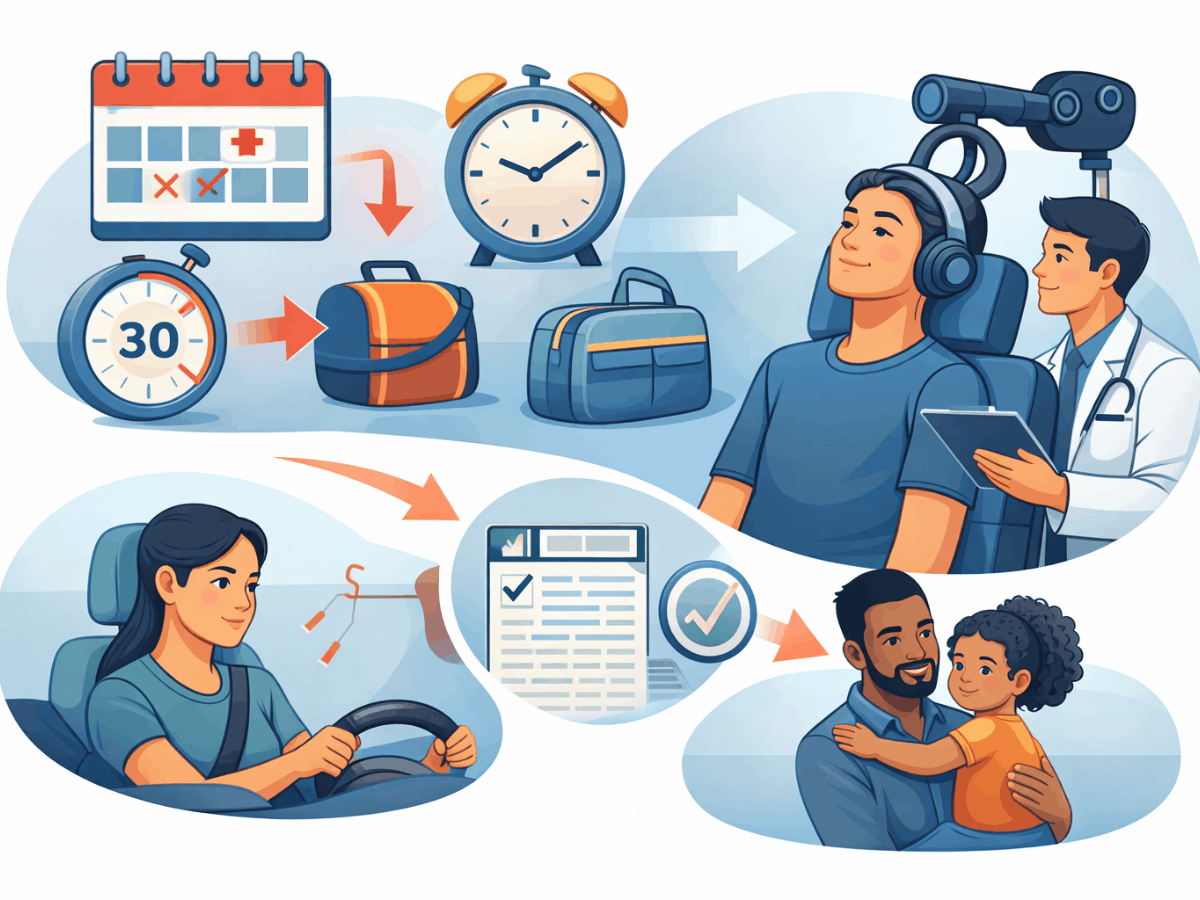
TMS is not a one-session intervention. A standard course typically involves multiple sessions per week over several weeks. Variations such as accelerated TMS or theta burst stimulation may adjust session structure, but consistency remains important.
Research shows that completing the recommended course improves the likelihood of symptom relief for many patients.
Before starting, clinicians will discuss:
- Your availability for regular TMS sessions.
- Transportation and scheduling considerations.
- Whether you can follow through with the full treatment schedule.
Unlike medications, TMS is a noninvasive therapy delivered in a clinical setting, and most patients return to normal activities immediately after each session.
For individuals whose severe depression persists despite traditional treatments, and who meet clinical criteria, TMS can be a structured and evidence-based treatment option.
Who Might Not Be a Good Candidate
TMS is considered safe for many people, but it is not appropriate for everyone. Safety screening is a critical part of the evaluation process.
TMS may not be recommended for individuals with:
- Certain metal implants in or near the head: Aneurysm clips, cochlear implants, metal plates, or retained metal fragments can interact with magnetic fields. Because repetitive TMS and deep TMS rely on focused magnetic pulses, nearby metal may heat, move, or malfunction. Dental fillings and most braces are typically safe, but each case is reviewed individually.
- Implanted medical devices: Deep-brain stimulators, vagus nerve stimulators, certain pacemakers, or implanted medication pumps may be affected by magnetic stimulation. Even though TMS is localized, electromagnetic interference can disrupt device function.
- A history of seizure disorders: TMS is generally considered safe, and seizure risk is low when proper screening protocols are followed. However, individuals with epilepsy, prior unprovoked seizures, significant brain injury, or conditions that increase seizure susceptibility require careful neurological evaluation before a TMS session is approved.
- Specific neurological conditions or recent brain injury: Brain tumors, significant traumatic brain injury, or other structural abnormalities may alter brain activity in ways that require additional assessment. Providers must ensure that stimulating specific brain regions will not create unintended effects.
- Medical instability or unmanaged systemic conditions: Serious uncontrolled medical conditions can affect overall health and influence how someone tolerates a structured treatment course.
The goal is always to match the right treatment to the right clinical situation. In some cases, that evaluation may begin through an initial assessment conducted via telemedicine services, allowing providers to review symptoms, medical history, and treatment options before determining the most appropriate next step.
Putting the Information Into Perspective
TMS therapy is not a shortcut and it is not a trend. It is a structured, evidence-based treatment recommended under specific clinical conditions. Eligibility depends on diagnosis, treatment history, safety considerations, and the ability to complete the full course.
If you are weighing your options, the next step is not self-diagnosing. It is having a focused conversation with a qualified provider who can review your history and determine what makes sense medically.
To schedule a consultation or learn whether TMS therapy may be appropriate for you, call 1-855-4CHARAK (1.855.424.2725) or fill out the contact form to connect with the team at Charak Center for Health and Wellness.