

An Evidence-Based Look at TMS Therapy Reviews for Anxiety: Real Outcomes, Real Experiences
Explore TMS therapy reviews for anxiety, covering real patient experiences, treatment results, and what to expect before starting TMS.
Anxiety can make decision-making feel impossible, especially when every treatment starts sounding the same. That’s why more people are looking for something outside the usual medication-therapy loop and tms therapy reviews for anxiety keep popping up in the conversation.
This guide focuses on clarity and honest insight into how the science fits into the picture, and what those mixed opinions really mean when you’re trying to choose your next step.
If you are considering TMS or simply want help sorting through your options, Charak Center for Health and Wellness can offer guidance based on your specific symptoms and goals. You can learn more about our approach to anxiety care at charakcenter.com.
What Is Transcranial Magnetic Stimulation (TMS)?
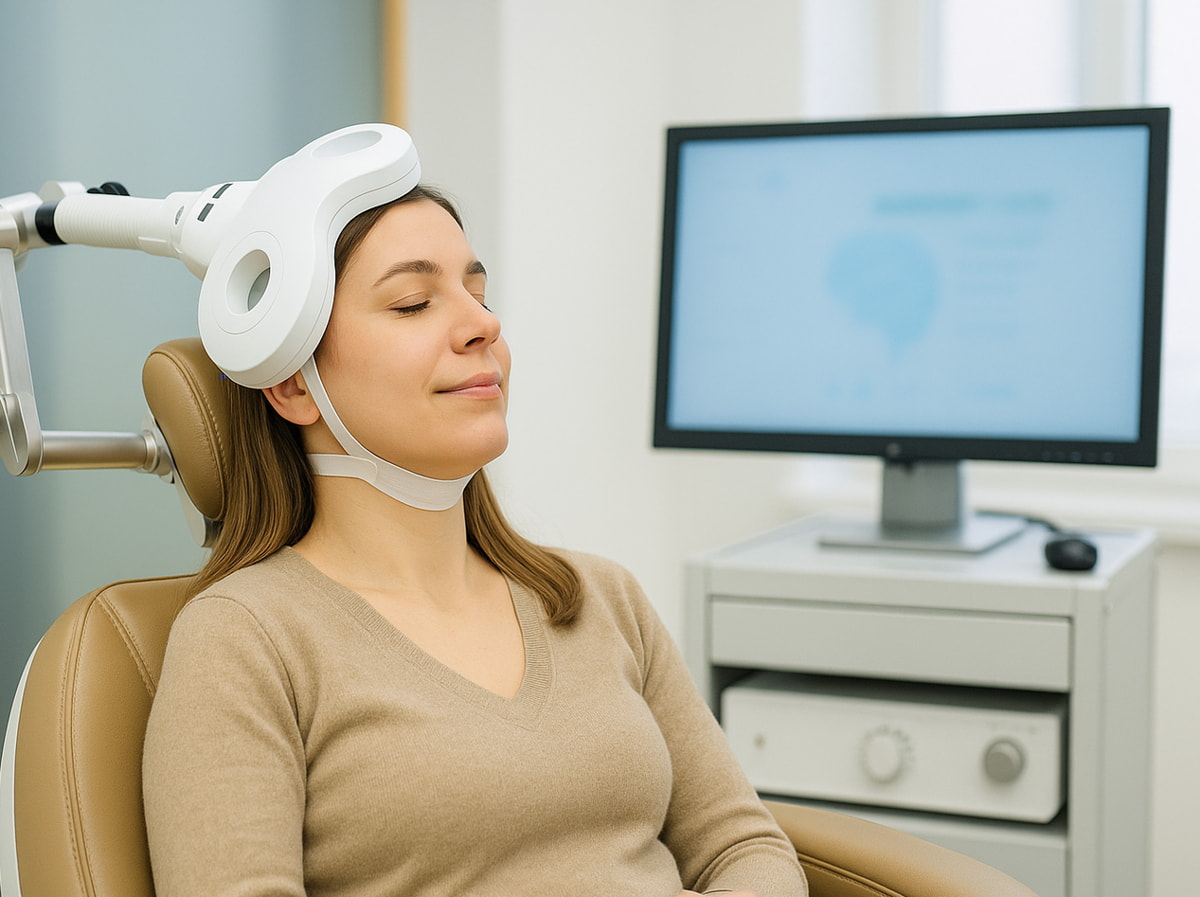
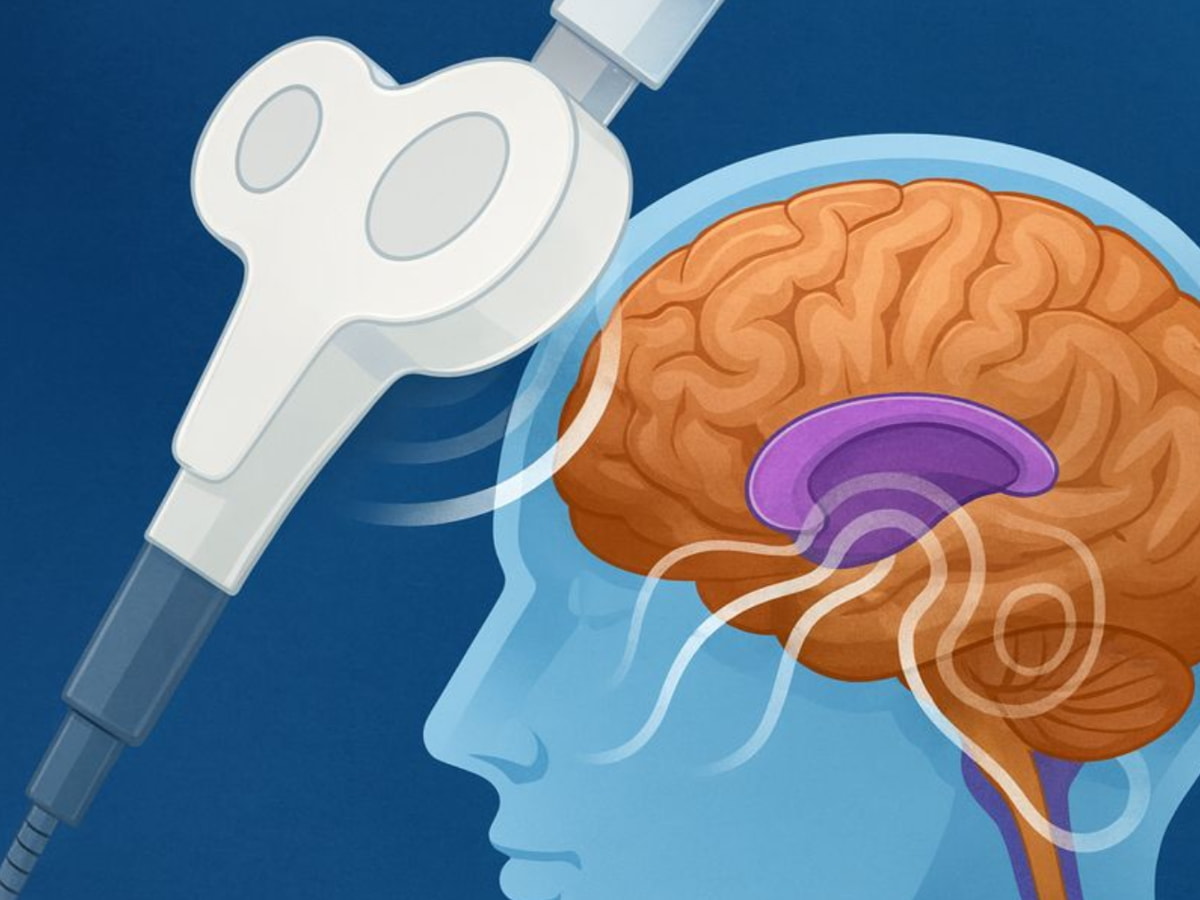
Transcranial Magnetic Stimulation, or TMS, is a noninvasive treatment that uses magnetic pulses to stimulate specific areas of the brain that influence mood, stress response, and emotional regulation. A small device is placed on the scalp, and it delivers focused magnetic pulses that help activate or calm targeted neural circuits. These pulses do not require anesthesia, surgery, or medication.
Transcranial Magnetic Stimulation, or TMS, is a noninvasive treatment that uses magnetic pulses to stimulate brain regions involved in mood and emotional regulation. A device placed on the scalp delivers targeted pulses without anesthesia, surgery, or medication.
TMS is FDA cleared for depression and is often considered when standard treatments do not provide enough relief. Because anxiety and depression share related neural pathways, many patients with anxiety also explore TMS. Research continues to evaluate how specific TMS protocols may reduce anxiety symptoms.
Treatment involves brief sessions over several weeks, and most people return to normal activities immediately. Side effects are usually mild.
Real Patient Reviews and Experiences
Many people exploring TMS share a mix of reactions, and the feedback tends to fall into a few clear patterns.
Here is what commonly shows up in real patient stories:
1. “TMS gave me a sense of clarity and ease that made everyday life feel possible again.”
A patient who had lived with intense anxiety described finally feeling relief from constant tension, which allowed them to look forward to family activities and enjoy small moments they had not been able to appreciate before.
Source: UC San Diego Health, “Magnetic Stimulation Transforms Patient with Depression.”
2. "TMS Changed My Life, 100% Depression + Anxiety Remission After 33 Sessions"
A patient who struggled with moderate to severe depression, anxiety, and ADD since childhood described TMS as the turning point after years of unsuccessful medications and worsening symptoms. Within one month of treatment, they reported full remission, renewed energy, the ability to enjoy daily activities, and a return to normal functioning they once believed was impossible. Eight months later, they remained medication-free, active, and grateful for a life they no longer felt disconnected from.
Source: r/TMS, patient-submitted experience
3. “I’m only a few weeks into TMS and already feel better than I have in years.”
A patient who had spent decades trying multiple medications shared that early in the treatment process they noticed a clearer mood and a steady lift in their overall well-being, even before completing the full course of sessions.
Source: Mayo Clinic Connect, thread “Do TMS (transcranial magnetic stimulation) treatments really work?”
4. “TMS changed my life, my depression, anxiety, and ADD symptoms went from overwhelming to completely gone.”
A patient who had lived with severe depression and anxiety for more than a decade described TMS as the first treatment that truly worked after years of failed medications and worsening symptoms. Within 30 days, they experienced full remission, regained the ability to care for themselves, rediscovered joy in everyday activities, and felt a level of energy and clarity they hadn’t known since childhood.
Source: r/TMS, patient-submitted experience
5. “It felt like a heavy fog I’d lived with for decades finally started to lift.”
A patient who had struggled with long-standing depression described a gradual but powerful sense of clarity during TMS, explaining that what once felt dark and overwhelming slowly shifted into something lighter and more manageable.
Source: UC San Diego Health, patient story by Kate Kelly.
6. “After 35 years of battling depression and anxiety, TMS finally gave me a level of stability I never thought I would reach.”
A patient who had lived with major depression and anxiety for more than three decades, including several hospitalizations, shared that completing 35 TMS sessions led to meaningful relief and a renewed ability to enjoy daily life.
Source: r/TMS, patient-submitted experience
7. “After trying countless treatments, TMS was the first thing that actually helped me feel like myself again.”
A long-time patient who had lived with depression, anxiety, and sleep issues explained that TMS brought a level of relief they had never experienced before, and even years later they continued to feel stable and well.
Source: Hugo Braham on Quora, personal account of TMS treatment.
8. “TMS helped me move from a very dark place to feeling like myself again.”
A patient who did not experience full remission but still saw meaningful improvement shared that the treatment helped restore their spark for life, with loved ones noticing a return to their “real” self. They described only mild early discomfort and a brief mid-treatment dip before feeling steadily better.
Source: r/TMS, patient-submitted experience
9.“Being able to work, exercise, and enjoy everyday life again feels incredible after believing I might never get back to this place.”
A patient who had spent years cycling through medications and setbacks shared that TMS helped restore stability and daily functioning, allowing them to return to routines that once felt completely out of reach.
Source: MUSC Health patient story, Christman.
10. “TMS reduced my social anxiety so much that I felt like a different person in everyday situations.”
A patient who did not experience full remission but still saw meaningful improvement shared that the treatment helped restore their spark for life, with loved ones noticing a return to their “real” self. They described only mild early discomfort and a brief mid-treatment dip before feeling steadily better.
Source: r/TMS, patient-submitted experience
Alternative and Complementary Options When TMS Is Not Yet Right for You
If TMS is not the best fit at the moment, there are other approaches that can support anxiety treatment. These options can be used on their own or alongside future TMS sessions.
- Therapy focused on anxiety: Cognitive Behavioral Therapy and similar approaches teach practical skills for managing increased anxiety, breaking long term patterns, and improving day to day functioning. Many patients find therapy especially helpful when depressive symptoms or decreased interest are also present.
- Reviewing or adjusting medications: A psychiatrist may suggest trying a different medication, adjusting the dose, or combining treatments to better target anxiety symptoms.
- Lifestyle changes that support mental health: Improvements in sleep routines, physical activity, nutrition, and stress management can create significant improvement in motivation and overall stability. These changes often make other treatments more effective and reduce the negative impact of persistent symptoms.
- Mind and body practices: Mindfulness, breathwork, grounding techniques, and yoga help regulate the nervous system and offer relief for people managing social anxiety disorder, panic disorder, or complex mental illness. These practices can increase awareness, bring more energy to daily life, and help individuals feel energetic enough to re-engage with routines they once avoided.
- Other neuromodulation options: Some clinicians may suggest non invasive alternatives such as neurofeedback or transcranial direct current stimulation. These options may be explored when targeting the dorsolateral prefrontal cortex or when waiting for the right time to begin repetitive transcranial magnetic stimulation.
- Short term support for acute stress: When symptoms worsen due to a life event, temporary therapy or short term medication can stabilize mood before starting treatment like TMS. This can be especially helpful for individuals who are severely depressed or navigating substance abuse, where immediate safety and stabilization must come first.
If symptoms change or other treatments provide partial relief, TMS may become a more appropriate option in the future. Some individuals also explore alternatives such as Spravato nasal spray which can be considered in cases where mood symptoms remain difficult to manage.
Making an Informed Choice About TMS for Anxiety
Exploring TMS is not about finding a perfect solution. It is about understanding your symptoms, your goals, and the type of support that fits your life. When approached with clear expectations and consistent guidance, TMS can be a valuable option for individuals who have not found enough relief from traditional treatments. For those who want to understand how this treatment is delivered in a clinical setting, Charak Center offers a clear overview of its TMS therapy services which can help you see whether the approach aligns with your needs.
If you want help deciding whether TMS is the right next step, the team at Charak Center for Health and Wellness is available to answer your questions. You can call 1-855-4CHARAK (1.855.424.2725) or fill out the contact form on our website to connect with a provider who can guide you through your options.