What’s the Difference Between TMS and rTMS? How They Compare for Treatment
What’s the difference between TMS and rTMS? Learn how they work, key differences, and what each means for treatment options.
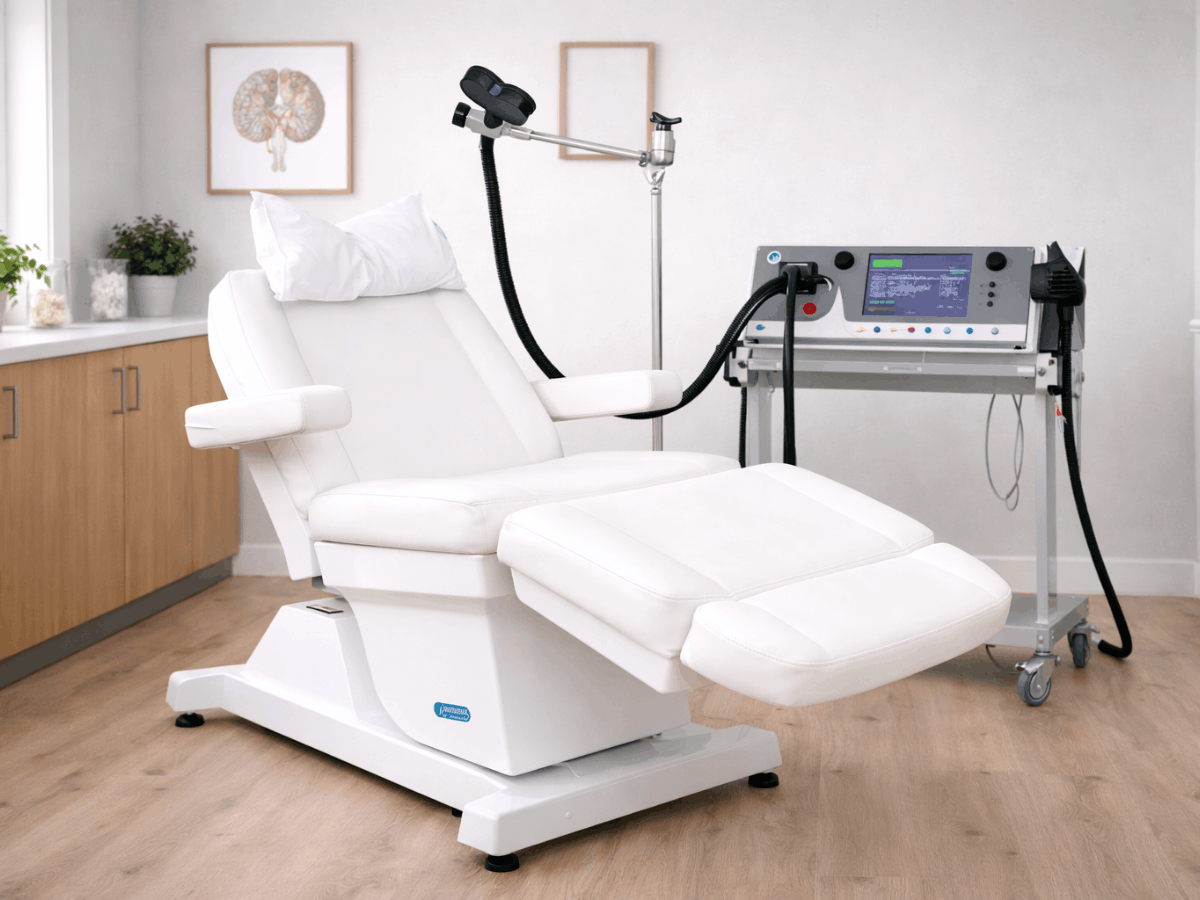
TMS and rTMS sound like two different treatments, but they’re often describing the same approach in slightly different ways. That overlap can make it harder to know what you’re actually being offered or what to expect from treatment.
In clinical use, TMS is the broader term. rTMS refers to the standard method used in most settings, where repetitive magnetic pulses are delivered to targeted areas of the brain. The distinction is technical, but it can shape how treatment is explained, labeled, and compared to other options. Getting clear on the terminology helps you interpret treatment recommendations and avoid unnecessary confusion when reviewing providers or protocols.
If you want a more detailed look at how evaluation works and how treatment options are determined, you can visit charakcenter.com .
The Short Answer: TMS vs rTMS, Simplified
There isn’t a major difference in how TMS and rTMS are used in practice.
TMS (transcranial magnetic stimulation) is the broader term for a non-invasive treatment that uses magnetic pulses to stimulate specific areas of the brain. rTMS (repetitive transcranial magnetic stimulation) is the standard method in which pulses are delivered in repeated sequences over time.
In most clinical settings, when people say “TMS therapy,” they are usually referring to rTMS. It’s the most commonly used and widely studied approach.
So in simple terms, TMS is the category. rTMS is the method most patients actually receive.
What TMS Actually Means
Transcranial magnetic stimulation (TMS) is a non-invasive treatment that uses targeted magnetic fields to stimulate nerve cells in specific areas of the brain involved in mood regulation.
It is commonly used in treating depression, including treatment-resistant depression, and other mental health conditions. Research suggests that about one-third to over 50% of patients achieve full remission, meaning depression symptoms may resolve completely during or after a standard treatment course.
TMS refers to a category of treatment approaches, not just one method. These include:
- rTMS (repetitive transcranial magnetic stimulation): This is the standard method used in most clinical settings.
- Deep TMS: This uses a different coil design to reach deeper brain regions.
- Other emerging protocols: These are newer approaches being studied to improve efficiency or response.
In clinical use, when people say “TMS therapy,” they are usually referring to one of these methods, most often rTMS.
What rTMS Specifically Refers To
Clinical studies show that repetitive transcranial magnetic stimulation (rTMS) produces higher response rates than sham (placebo) treatment in patients who did not improve with medication, with response rates around 39.68% compared to 13.71%.
Repetitive transcranial magnetic stimulation (rTMS) is the standard method used in most clinical settings when people refer to “TMS therapy.”
The term “repetitive” describes how treatment is delivered. Magnetic pulses are applied in repeated sequences over a series of sessions, allowing stimulation to build over time rather than in a single exposure.
rTMS is FDA-cleared for major depressive disorder and has also been studied for other conditions. It uses focused targeting, often directed at areas such as the dorsolateral prefrontal cortex, which plays a role in mood regulation.
Why Clinics Still Use Both Terms
Treatment-resistant depression affects approximately 30% of patients with major depressive disorder, which is one reason terms like “TMS” and “rTMS” are used frequently in clinical discussions.
Clinics use both “TMS” and “rTMS” for clarity and context, depending on the audience and setting.
- Patient-facing language: “TMS therapy” is simpler and easier to recognize, especially for people exploring options for bipolar disorder, obsessive-compulsive disorder, or other mental health conditions.
- Clinical accuracy: “rTMS” defines the standard method used in traditional TMS, where stimulation is delivered over repeated sessions. This helps distinguish it in discussions of rTMS vs other forms.
- Research and documentation: Clinical records and studies often use “rTMS” to describe the exact protocol. Research suggests this consistency improves how outcomes are tracked across different settings.
- Consistency across treatment types: “TMS” may refer to a range of approaches, including deep transcranial magnetic stimulation, which can target deeper brain structures, as well as other evolving protocols. This is where the key differences between rTMS and deep approaches are discussed.
- Real-world use: In practice, both terms usually refer to the same treatment experience. Many patients receive rTMS when they hear “TMS,” and the focus remains on achieving symptom relief through an effective treatment.
In practice, understanding both terms helps reduce confusion, but it doesn’t change what treatment involves or how it works. Ongoing findings from clinical research programs continue to clarify how these approaches are applied in real-world care.
What This Means for You as a Patient
In most cases, when you hear “TMS,” you are receiving rTMS, the standard method used in clinical practice.
Outpatient Treatment

rTMS treatment is performed in a clinical setting with scheduled TMS sessions, with no need for hospitalization. This applies across standard TMS and other TMS protocols, including accelerated TMS protocols designed for faster timelines. Patients are treated during the day and return to normal activities afterward.
Non-Invasive Approach
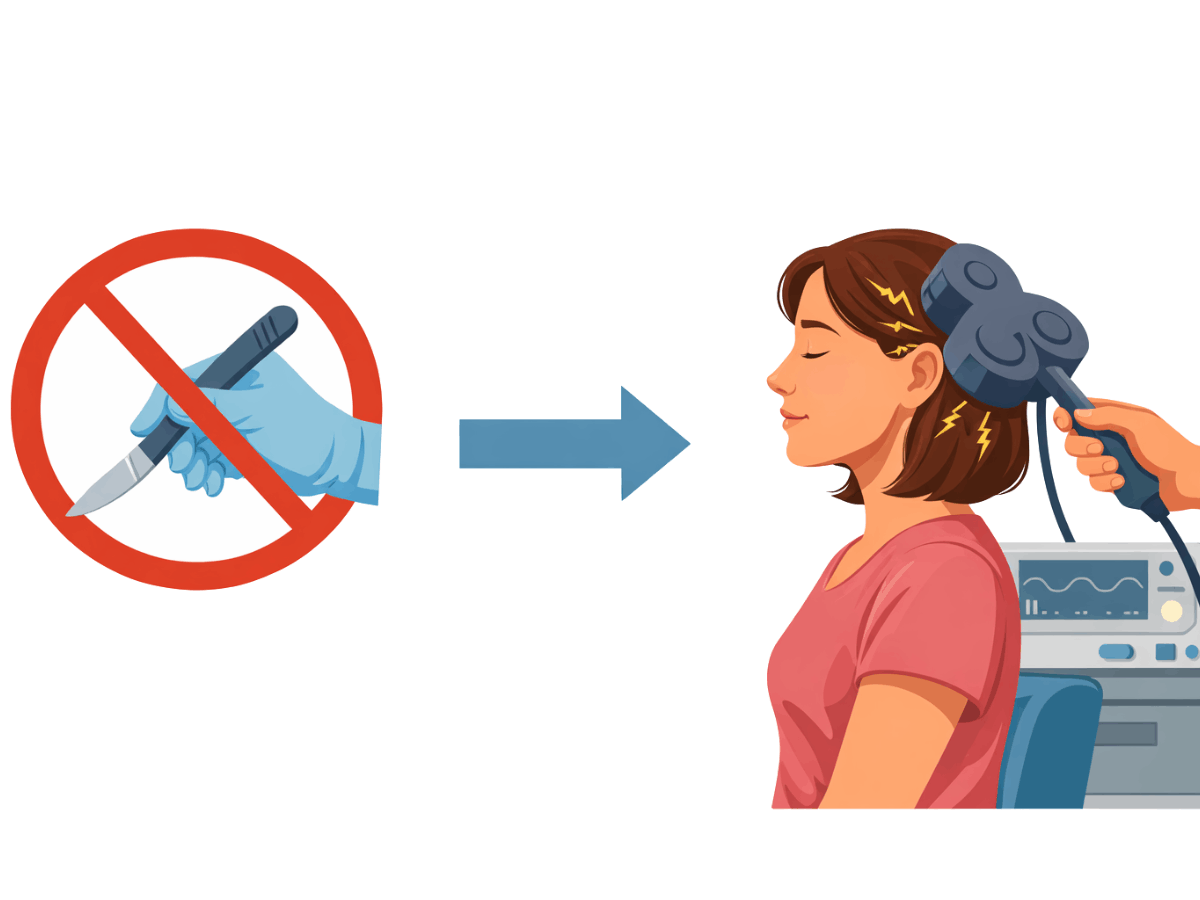
TMS is a noninvasive form of brain stimulation grounded in clinical neurophysiology. It uses an electromagnetic field to influence brain structures through controlled stimulation, without surgery. This differs from procedures like cochlear implants or other interventions that involve electrical impulses and implanted devices.
No Anesthesia Required
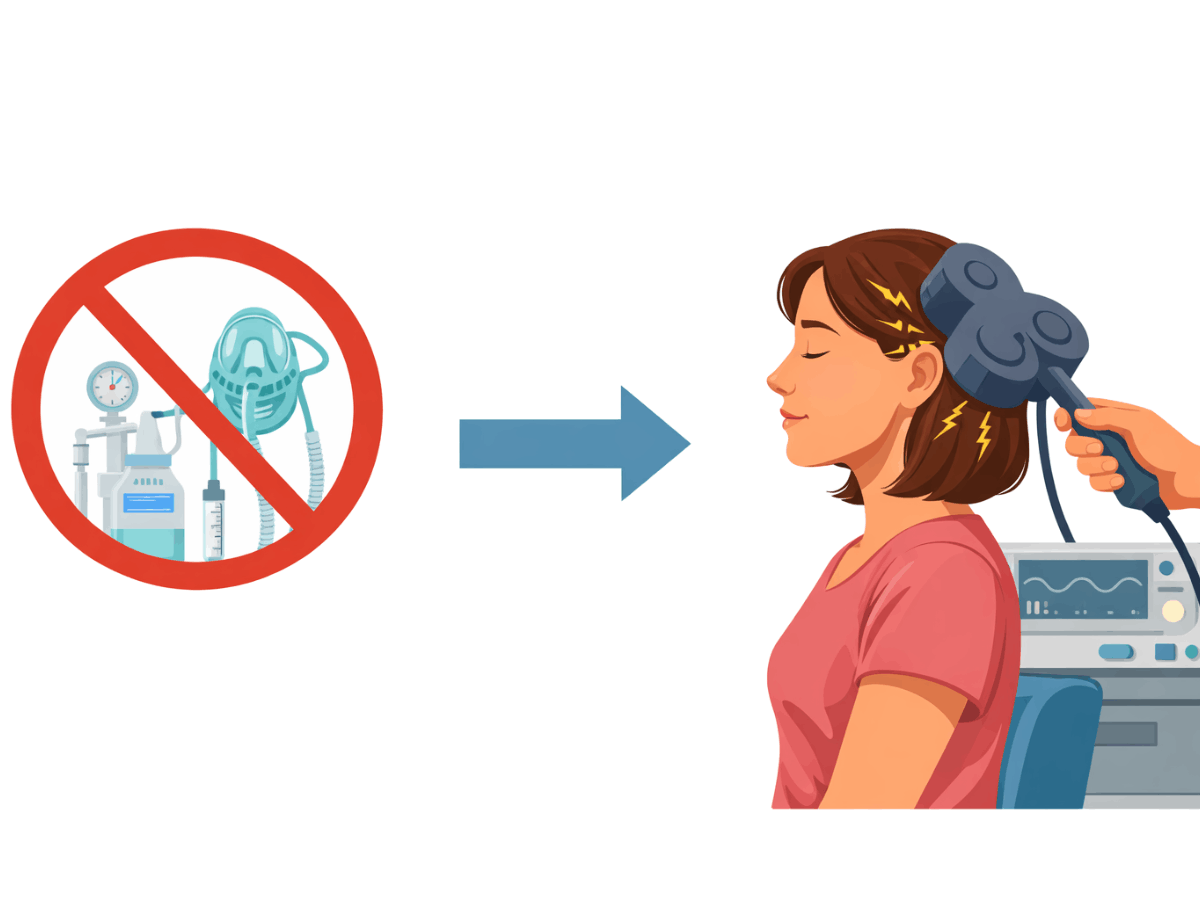
Patients remain awake during each session, including rTMS therapy and other approaches. Some may notice mild scalp discomfort early on, but this typically improves over time. Most patients tolerate treatment well across different protocols, including those used to treat patients with conditions like major depression and treatment-resistant depression.
The distinction between TMS and rTMS does not change the experience of care. The more relevant question is which protocol is appropriate for your condition and treatment goals.
How Providers Decide Which TMS Approach to Use
Treatment selection is based on clinical factors rather than terminology.
Providers typically consider:
- Diagnosis: Conditions such as depression, OCD, or other mental health concerns may respond differently to specific protocols.
- Mental health history: Prior patterns of mental health conditions, including relapse history and duration of symptoms, help determine how TMS treatment should be structured.
- Response to other treatments: Prior use of medications, therapy, or other depression treatments helps inform the next step in treating depression.
- Symptom profile: Severity and presentation guide coil placement and targeting of specific brain regions to support changes in brain function, especially in areas of decreased activity.
- Clinical response over time: Progress across TMS sessions is monitored and adjusted. Some patients may benefit from accelerated TMS, intermittent theta burst stimulation, or other variations in how electromagnetic pulses are delivered.
In most cases, rTMS is used as the standard approach, with other options considered when clinically appropriate. Care planning may also involve coordinated services, which can help guide treatment decisions based on individual needs.
Frequently Asked Questions
Is rTMS more effective than TMS?
Not exactly. In most TMS clinics, repetitive TMS (rTMS) is the standard approach, so comparisons are often about terminology rather than two different treatments. Effectiveness depends on the protocol, how the magnetic coil is used, and how the brain responds over time.
Does rTMS target a different part of the brain than TMS?
No. Both approaches focus on the same target region, often the dorsolateral prefrontal cortex, to help influence brain activity linked to mood and depression symptoms. The difference is in how the stimulation is delivered, not where.
Are there side effects with TMS or rTMS?
TMS is a noninvasive form of brain stimulation and is generally well tolerated. The most common effects include mild headaches or temporary scalp sensitivity. Unlike electroconvulsive therapy, it does not involve anesthesia or induced seizures.
How does TMS compare to other brain stimulation treatments?
TMS uses magnetic energy to affect brain activity, while treatments like vagus nerve stimulation or deep brain stimulation involve implanted devices and may require surgery. Compared to traditional treatments like medication, TMS offers a different approach for patients who have not responded to other options.
Putting the Difference Into Perspective
The difference between TMS and rTMS is mostly about terminology, not a completely different treatment. TMS refers to the overall approach, while rTMS describes the standard method used in clinical practice.
For most patients, this distinction does not change the treatment experience. Sessions are still delivered in a structured, outpatient setting using non-invasive magnetic stimulation. What matters more is how the treatment is applied.
At Charak Center for Health and Wellness, care is guided by a structured evaluation process and individualized treatment planning. If you have questions about TMS or want to understand which approach may be appropriate for your situation, you can call (724) 558-8222 or use the contact form to request an evaluation and discuss next steps.