

What Does TMS Feel Like? Honest, Patient-Focused Guide
Wondering what does TMS feel like? Learn what patients notice during sessions, common sensations, comfort levels, and what to expect before you start.
%20Targets%20Brain%20Activity.png)
When people ask what TMS feels like, they are usually trying to picture the experience itself. Not the science. Not the outcomes. Just what it is like to sit in the chair and go through a session. Sensations matter. Comfort matters. And vague answers do not help when the decision feels personal.
This guide focuses on what people actually notice during TMS, from the physical sensations to how it feels before, during, and after sessions. It does not promise outcomes, minimize concerns, or assume the experience is the same for everyone. TMS is a medical treatment, and experiences can vary.
If you want to talk through what TMS therapy might feel like for you and how it fits into your overall care, Charak Center for Health and Wellness can help. Our clinicians take the time to explain the process clearly and answer questions based on your symptoms, history, and goals. You can learn more about our approach to TMS therapy at charakcenter.com.
What TMS Feels Like, Briefly Explained
TMS is usually described as a noticeable but manageable physical sensation on the scalp, paired with clicking sounds and brief muscle movement near the treatment area. The experience is controlled, non-sedating, and done while you are fully awake, with sensations that often become more familiar over time.
This structured approach is one reason TMS has shown strong real-world response rates, with clinical practice and research reporting improvement in roughly 60 to 80 percent of people with treatment-resistant depression and OCD. For a clearer understanding of how transcranial magnetic stimulation is delivered as a treatment, this overview of TMS therapy and what it involves outlines the process in more detail.
First Impressions: What People Notice First
When a TMS session begins, most people notice a few immediate sensory details. The machine makes a steady clicking sound as magnetic pulses are delivered, and many feel a light tapping or buzzing on the scalp. These sensations stay localized to the area where the coil rests and do not spread across the head.
The experience can feel unfamiliar at first, but it is typically manageable and not described as painful. Intensity can be adjusted if comfort becomes an issue.
Sensations Immediately After a TMS Session
After a session ends, most people can return to normal activities right away. Mild headaches or scalp sensitivity may occur early in treatment, but these effects typically fade within hours.
Energy levels vary. Some people feel energized, others feel tired, and many notice no change. No sedation or recovery time is required.
How It Feels Over the Course of a Full TMS Course
Over several weeks, the experience often becomes more predictable. Sessions feel familiar, and physical sensations tend to stabilize after the early phase of treatment.
When improvements happen, they usually appear gradually. Some people notice changes within weeks, while others take longer. Overall, most patients describe TMS as a steady process that becomes easier to navigate over time.
With clearer expectations, it becomes easier to focus on the process rather than the uncertainty. Ongoing clinical research in mental health care helps shape these expectations by examining how treatments are delivered, studied, and refined over time.
Who May Feel It Differently
Clinical settings report TMS response rates ranging from about 54 to 83 percent for depression, with symptom relief often appearing within weeks rather than months. Even so, not everyone experiences TMS the same way, and factors like physical sensitivity, current symptoms, and sensory processing can influence how treatment feels, especially early on.
- People with sensitive nerves or anxiety: May notice the tapping sensation or temporary scalp discomfort more clearly at first, especially as the magnetic coil delivers magnetic pulses to stimulate nerve cells involved in mood regulation. This heightened awareness often fades as sessions become familiar and the body adjusts to the stimulation pattern.
- People with major depressive disorder or bipolar disorder: May perceive physical sensations differently depending on symptom severity. During periods of major depression or heightened depression symptoms, it can be harder to separate physical sensations from emotional responses. This does not predict whether TMS will successfully treat major depressive disorder or other depression treatments have failed.
- People with sensory sensitivities: Often notice sound, touch, or repetitive sensations more strongly during early sessions, including the clicking noise from the TMS machine. Ear protection, gradual adjustments to coil placement, and clear communication during treatment usually help improve comfort over time.
Because repetitive transcranial magnetic stimulation is a non invasive treatment delivered on an outpatient basis, small adjustments. Most patients find that TMS becomes more manageable as treatment continues, and research shows it is generally well tolerated across a wide range of mental illness presentations.
What People Often Get Wrong About TMS
Many concerns about TMS come from misconceptions rather than lived experience, which can make the treatment seem more intimidating than it actually is.
Common Misconception: TMS Is Painful
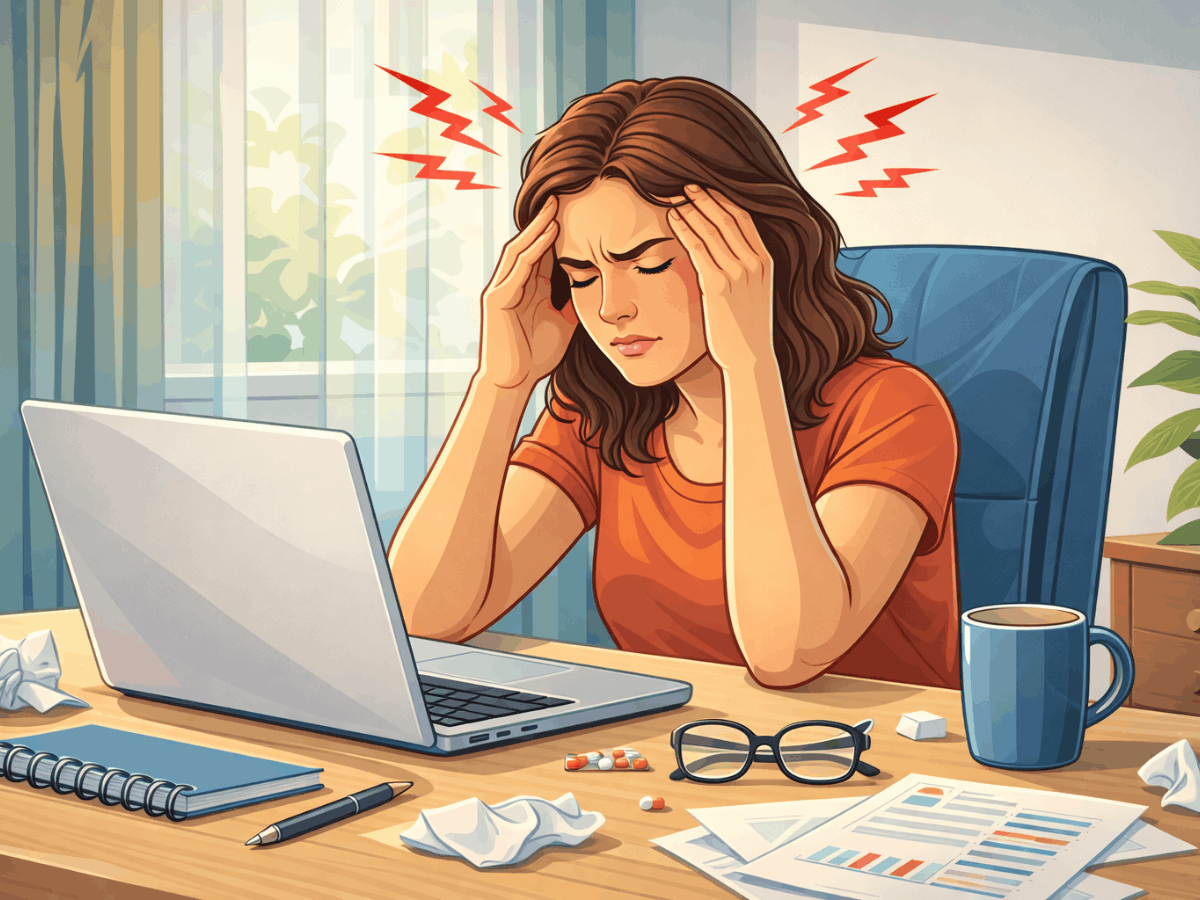
Fact: Most people describe TMS treatment as uncomfortable at times, not painful. Tapping or pressure on the scalp is common early on, and about one-third of patients report mild headaches or localized scalp discomfort. Intensity is set using motor threshold and can be adjusted, and these sensations often become easier to tolerate over time.
Common Misconception: TMS Shocks the Brain
%20Therapy.png)
Fact: Transcranial magnetic stimulation therapy does not use electrical shocks. An electromagnetic coil, often called the TMS coil, delivers magnetic pulses that influence brain activity involved in mood regulation. The sensation comes from how the magnetic field interacts with nerves near the scalp, not from electricity passing through the brain.
Common Misconception: You Have to Be Sedated

Fact: Unlike electroconvulsive therapy, TMS does not require anesthesia. Patients remain awake during each session and can communicate throughout treatment. This non invasive treatment is typically done on an outpatient basis and does not cause memory loss or hearing loss.
Common Misconception: You Will Feel Immediate Emotional Changes
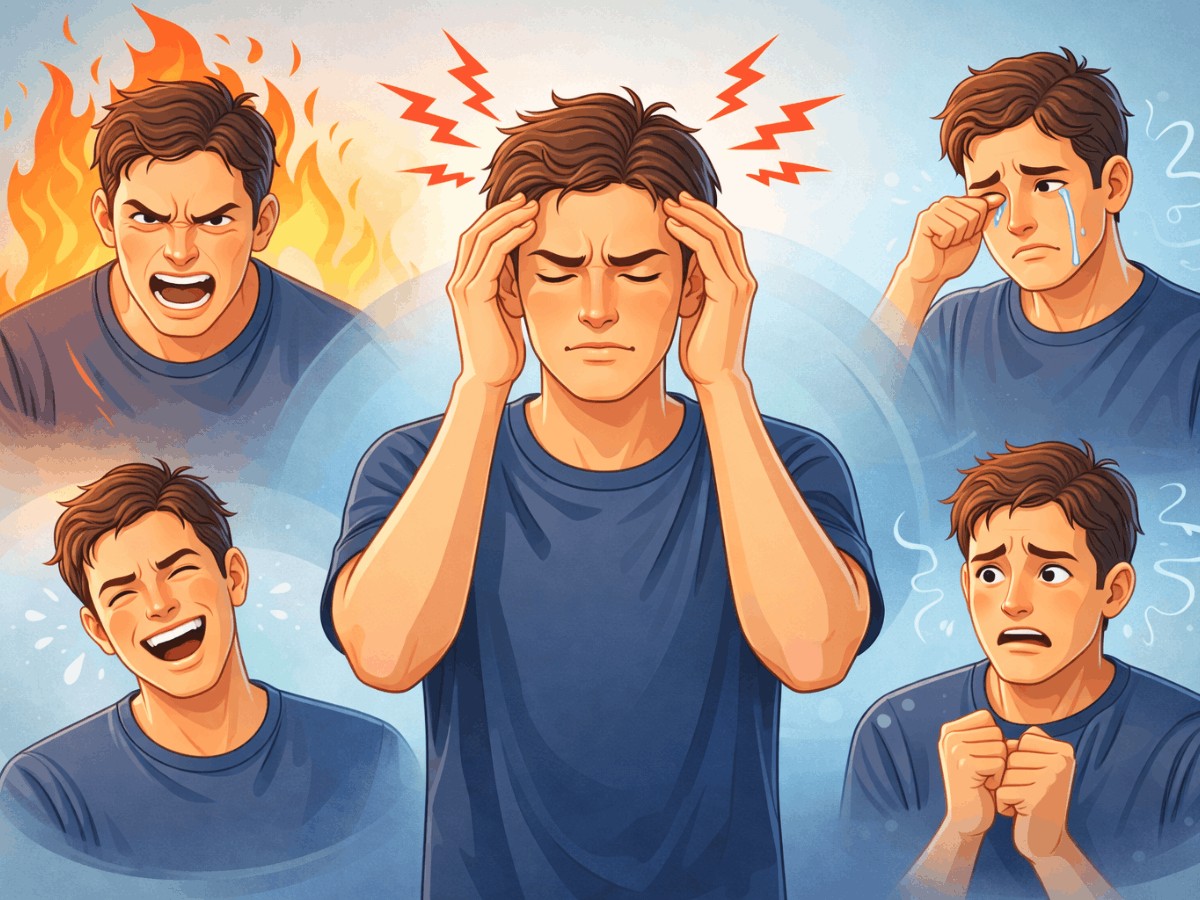
Illustration showing a range of emotional states such as anxiety, irritability, sadness, and emotional overwhelm, representing mood symptoms that may lead individuals to explore transcranial magnetic stimulation (TMS) therapy
Fact: TMS does not usually cause instant emotional shifts during a session. When changes occur, they tend to develop gradually over the course of treating depression. This is common across many effective treatment approaches for mental health conditions, including talk therapy and antidepressant medications.
Common Misconception: Feeling Strong Sensations Means Something Is Wrong

Fact: Stronger sensations do not mean the treatment is unsafe or ineffective. Sensitivity varies from person to person, especially among those with treatment-resistant depression or other mental health conditions. Adjustments to coil placement, stimulation intensity, or session pacing can usually improve comfort without affecting clinical application.
Understanding what these sensations do and do not mean can make the experience feel more predictable and less stressful before treatment begins.
Practical Tips for First-Time TMS Patients
Starting TMS can feel unfamiliar, but small details can make the experience smoother and more comfortable from the beginning.
- Before your first session: Wear comfortable clothing and avoid hairstyles or accessories that put pressure on your scalp. Eat and hydrate as you normally would, and arrive with questions if you have them. Knowing what will happen reduces unnecessary tension.
- During the session: Stay relaxed and speak up if something feels uncomfortable. The treatment team can adjust positioning or intensity. Normal breathing and staying still usually make sensations easier to tolerate, especially in early sessions.
- After the session: Plan to resume your day as usual. Mild headaches or scalp sensitivity can happen early on, but they often fade with time. Drinking water and resting briefly can help if you feel tired or overstimulated.
- Across the first few weeks: Expect the experience to feel more predictable over time. Sensations often become less noticeable as your body adjusts. Keeping a simple log of how you feel can help you notice gradual changes without overanalyzing each session.
These small steps do not change how TMS works, but they can make the process feel more manageable and less stressful as treatment gets underway. This practical approach is supported by clinical research that examines how patients experience treatment over time and how adjustments can improve comfort without altering effectiveness.
Putting the TMS Experience Into Perspective
TMS is not a dramatic or overwhelming experience for most people, but it is unfamiliar at first. The sensations are usually noticeable, controlled, and limited to the time of treatment. For many, what feels strange during the first few sessions becomes predictable and manageable as treatment continues.
If you are considering TMS therapy and want to better understand what the experience may be like for you, Charak Center for Health and Wellness can help. Our team takes time to explain the process, answer questions, and help you decide whether TMS fits your symptoms and goals.
Call 1-855-4CHARAK (1-855-424-2725) or fill out the contact form to connect with our team.