

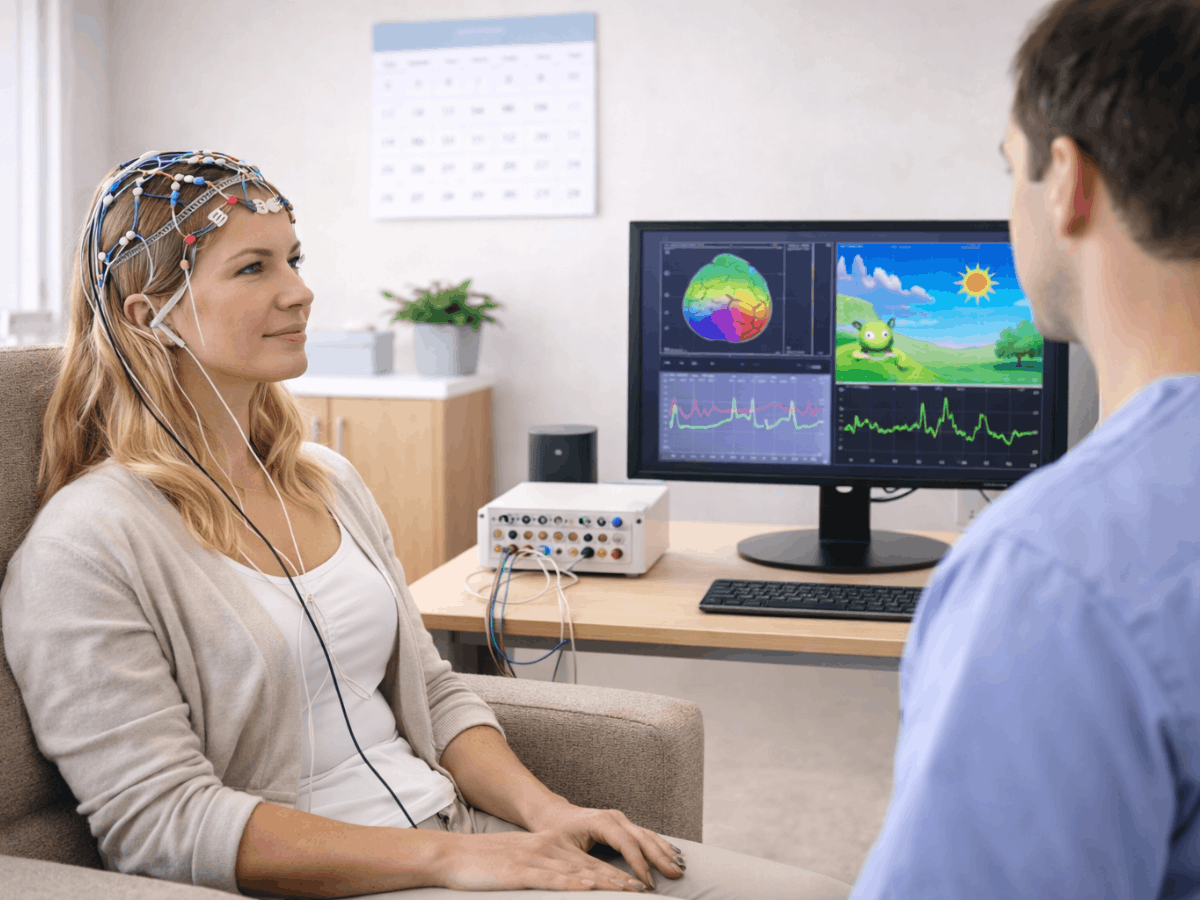
Neurofeedback and TMS are often mentioned together, but they are built on different ideas of how to change brain activity. If you’re comparing them, the important question isn’t which one sounds more advanced. It’s how each approach works and what that means in practice.
That difference affects how treatment is delivered, how quickly changes may appear, and what kind of results you can expect.
If you’re considering either option and want to understand what the next step might look like, you can learn more about evaluation and treatment options at charakcenter.com .
What TMS Does in the Brain
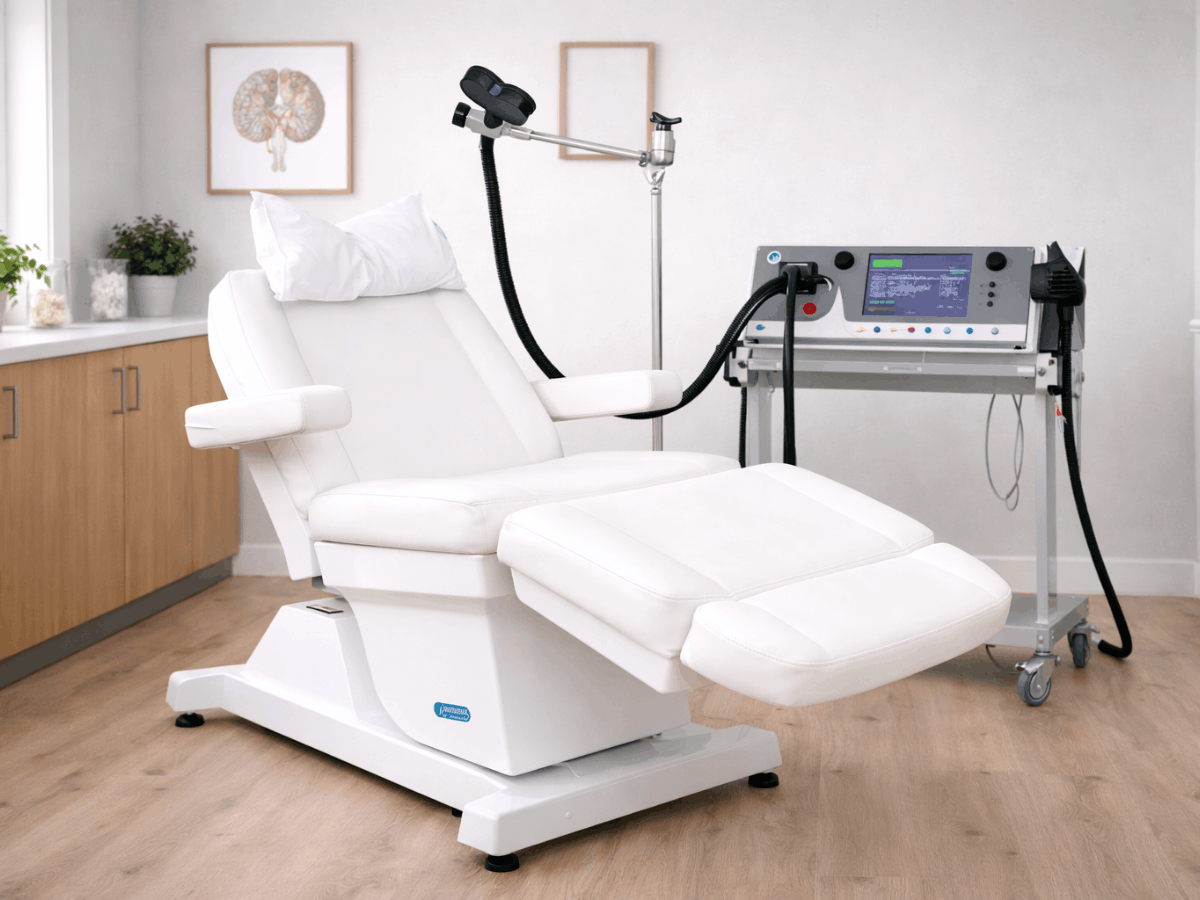
Clinical data suggests that about 30% to 50% of patients achieve full remission, meaning symptoms may resolve completely following a standard course of treatment. This level of response is linked to how TMS directly targets brain activity involved in mood regulation.
TMS treatment uses a magnetic coil placed on the scalp to deliver targeted electromagnetic pulses to specific areas of the brain. These pulses create a small electrical effect in underlying tissue, allowing clinicians to influence activity in regions linked to mood.
In conditions like major depression, certain brain areas may show reduced activity. TMS works by stimulating those areas to help support more balanced brain function over time.
Each session delivers controlled stimulation to a defined target region, based on clinical guidelines and individual assessment. The goal is to adjust patterns of brain activity in a way that supports symptom improvement.
The treatment is non-invasive, does not require anesthesia, and is performed while the patient is awake.
How Neurofeedback Works (And Why It Feels Different)
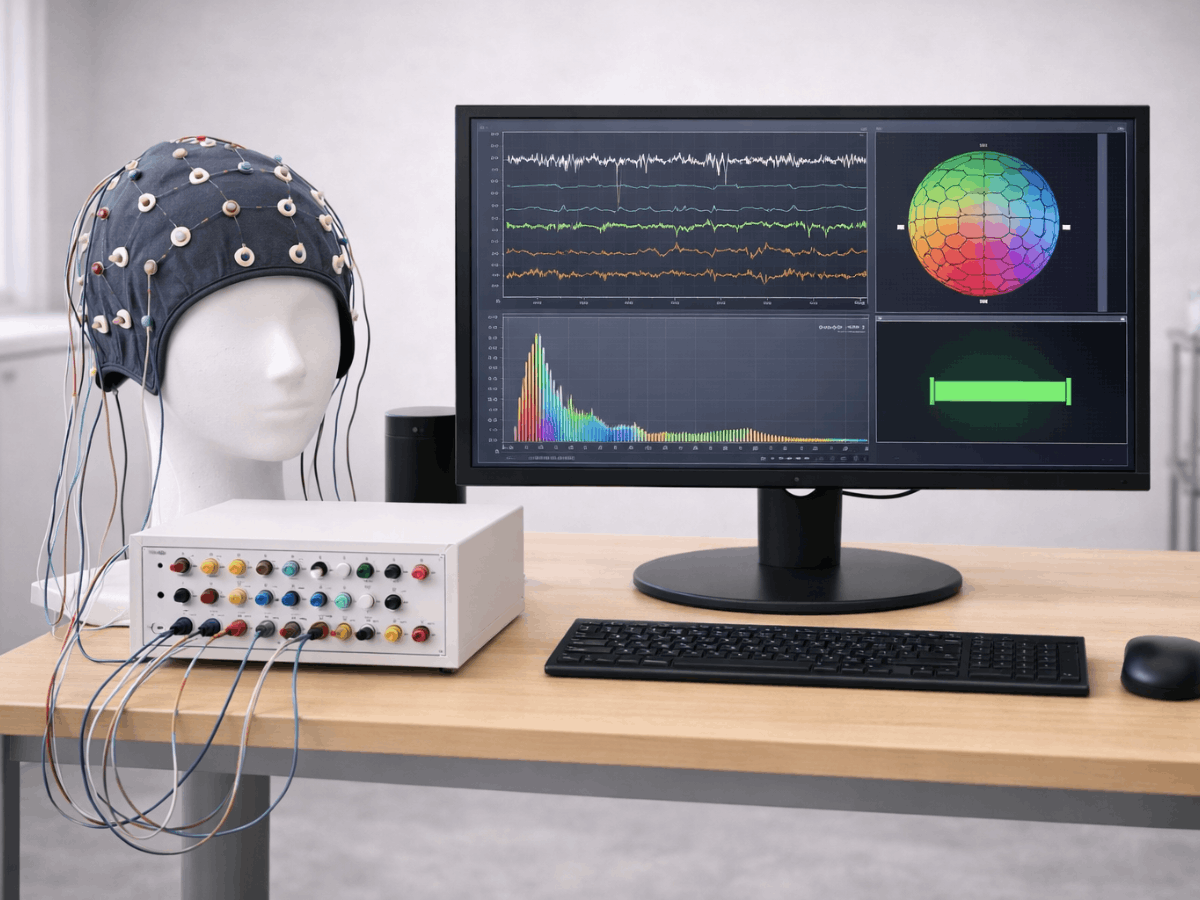
Neurofeedback has been associated with improvement rates of around 70% to 80% in mood, energy, and cognitive function, though results vary by protocol and individual response. It works by training the brain over time rather than directly stimulating it.
During a session, sensors are placed on the scalp to monitor brain activity in real time. This activity is translated into visual or audio feedback, such as a screen or sound that changes based on how the brain is functioning in that moment.
The goal is to help the brain recognize and adjust its own patterns. Over time, this process can support more stable regulation of attention, mood, or stress responses.
Unlike treatments that act directly on the brain, neurofeedback relies on active participation. Progress depends on repeated sessions and the brain’s ability to learn from feedback and gradually shift its activity patterns.
Neurofeedback vs TMS: The Core Differences
Around 72% of mental health professionals report an increase in patients seeking treatment for depression, highlighting the growing demand for effective, evidence-based options.
The differences between neurofeedback and TMS come down to how each approach works, how it’s delivered, and what that means for treatment over time.
Passive vs Active Treatment
TMS: Delivers external stimulation to targeted brain regions. The patient remains passive during the session.
Neurofeedback: Focuses on self-regulation. The patient actively engages with feedback to adjust brain activity over time.
Speed of Results
TMS: Often produces faster symptom changes, especially within structured treatment protocols.
Neurofeedback: Builds gradually over time as the brain learns through repeated training.
Structure and Commitment
TMS: Follows a fixed schedule, often with frequent sessions over a defined period.
Neurofeedback: Offers more flexibility but requires consistent engagement for progress.
Conditions Each Treatment Is Used For
TMS: Most commonly used for major depressive disorder, especially treatment-resistant depression. It is also used for obsessive compulsive disorder and studied for other conditions.
Neurofeedback: Often used for ADHD, anxiety, and trauma-related symptoms. It may also be used for broader regulation and focus concerns.
What Each Session Feels Like
TMS: Feels like a tapping sensation on the scalp as magnetic pulses are delivered. Sessions are passive, and the patient remains still while treatment is administered.
Neurofeedback: Involves watching a screen or listening to audio that responds to brain activity. The session is interactive, with the patient actively engaging in the process.
While the experience feels different, both approaches aim to improve how the brain functions over time. Ongoing findings from clinical research programs continue to inform how these treatments are applied in practice.
Does One Work Better Than the Other?
There is no universal “better” option. The right choice depends on clinical factors and treatment goals.
What it depends on:
- Diagnosis: Response can vary depending on the condition being treated.
- Symptom severity: More severe or persistent symptoms may require a more structured approach.
- Treatment history: Prior response to medications or other therapies can guide the next step.
TMS has stronger clinical support for depression, particularly treatment-resistant depression, while neurofeedback is more variable depending on the use case.
When TMS May Be the Better Fit
TMS may be a better fit for individuals with treatment-resistant depression, especially when symptoms have not improved with standard approaches. It is also often considered when faster symptom reduction is a priority, as structured protocols can lead to earlier changes for some patients. For those who prefer a clinician-led, structured treatment plan, TMS offers a defined schedule delivered in a controlled clinical setting.
When Neurofeedback May Be the Better Fit
Neurofeedback may be a better fit for those who prefer a training-based approach focused on self-regulation rather than external stimulation. It is often used when the goal is long-term regulation, with gradual changes built through repeated sessions. It may also be considered for milder or different symptom profiles, including attention, stress, or regulation-related concerns.
Can TMS and Neurofeedback Be Used Together?
In some cases, both approaches may be used together, but this is not standard and depends on clinical evaluation. Decisions are based on treatment goals, response over time, and how each approach fits into the overall care plan.
The decision is less about choosing between two treatments and more about selecting the approach that best aligns with your clinical needs and goals. In practice, coordinated support, including services like case management can help guide treatment planning based on individual factors.
Frequently Asked Questions
How long does neurofeedback therapy take compared to TMS?
Transcranial magnetic stimulation (TMS), including repetitive TMS, typically follows a fixed schedule of TMS sessions over several weeks. In contrast, neurofeedback treatment, also called EEG biofeedback, is more flexible and often takes longer, as it focuses on training individuals to self regulate brain activity and adjust brainwave patterns over time.
Are the results from TMS or neurofeedback long-lasting?
Results vary based on individual factors, including diagnosis and medical history. TMS therapy has strong clinical evidence for treating depression, with many patients experiencing meaningful symptom relief. Neurofeedback training may support longer-term emotional regulation and cognitive function, but outcomes can be more gradual.
Can you switch from neurofeedback to TMS or vice versa?
Yes. Treatment plans can change based on response and treatment preferences. It’s common to adjust the treatment approach if symptoms persist or if another option may better address specific mental health needs.
Do both treatments require a clinical diagnosis?
TMS transcranial magnetic stimulation is typically used for diagnosed mental health disorders, such as major depression, anxiety disorders, or post traumatic stress disorder, and is often considered an FDA approved treatment in specific cases. Neurofeedback may be used more broadly across mental health conditions, including attention and regulation concerns.
Is one option more standardized than the other?
Yes. TMS follows structured protocols based on clinical neuroscience and targeted brain stimulation, often focused on areas like the dorsolateral prefrontal cortex. Neurofeedback typically varies by provider, with approaches such as qEEG brain mapping used to guide personalized treatment.
A Clearer Way to Think About Neurofeedback vs TMS
Neurofeedback and TMS are built on different approaches to influencing brain activity. One relies on external stimulation, while the other focuses on training and adaptation over time. That difference shapes how each treatment is delivered, how progress is measured, and how outcomes may develop. Neither approach replaces the other. They are used in different ways depending on the clinical context.
If you’re ready to take the next step, you can call 1-855-4CHARAK (1.855.424.2725) or fill out the contact form to request an evaluation and discuss appropriate treatment options.