

How Long Does TMS Dip Last? What’s Normal and What’s Not
How long does TMS dip last? Learn why it happens, how long it typically lasts, and what to expect during treatment.

A temporary drop in mood during TMS can catch people off guard, especially if things seemed to be improving at first. This is often called a “TMS dip,” and while it can feel discouraging, it doesn’t necessarily mean the treatment isn’t working.
TMS affects brain activity over time, not all at once. As those changes build, short-term fluctuations can happen. For some patients, that includes a brief increase in symptoms before improvement continues.
Understanding how long the dip may last and what it means in the context of treatment can help you interpret these changes more clearly, rather than assuming something has gone wrong. If you’re noticing changes during treatment and want to understand what they might mean, you can learn more about evaluation and care at charakcenter.com.
What the TMS Dip Actually Is
A TMS dip refers to a temporary increase in depression or anxiety symptoms during the course of treatment. It can feel like a setback, especially if there were early signs of improvement. Mood may drop, energy can shift, or symptoms may briefly intensify. This phase is not uncommon and does not necessarily indicate that treatment is ineffective.
What’s Typical During a TMS Dip
Most TMS dips last a few days to about 1 to 2 weeks and are usually temporary.
They often occur mid-treatment, typically around sessions 5 to 15 or weeks 2 to 4, when changes in brain activity are still stabilizing.
Not everyone experiences a dip, but when it does happen, it is usually followed by improvement rather than a sign that treatment isn’t working.
Why the TMS Dip Happens
The TMS dip reflects how the brain adjusts during treatment.
Adjustment in Brain Activity
TMS changes activity in specific brain regions linked to mood. As those patterns shift, the brain may go through a brief period of imbalance before stabilizing. This can lead to TMS dip symptoms, where symptoms feel worse before improving.
Gradual Rewiring of Neural Pathways
The treatment works by reinforcing new patterns over time. This process is not immediate, and short-term fluctuations can occur as the brain adapts. These changes are part of the broader healing process, not a sign that treatment is failing.
Transition Between Early and Sustained Response
Some patients begin to notice early improvements, followed by a temporary setback before more stable progress continues. This phase can feel discouraging, but it is often part of how the brain moves toward longer-term change.
Individual Brain Response
Not all TMS patients experience a dip. When it does occur, the timing and intensity vary based on individual response, stimulation intensity, and overall treatment plan. Setting realistic expectations helps interpret these changes more clearly as part of the process.
These factors help explain why a temporary dip can occur, even as the overall treatment continues to move in a positive direction. In practice, coordinated care, including support through case management can help guide how these changes are monitored and addressed over time.
What the Dip Can Feel Like
The experience can vary, but most changes are temporary and may feel like a brief shift rather than a sustained decline.
- Worsening mood: A return or increase in low mood or negative thoughts. Some patients report a noticeable drop before positive changes begin.
- Increased anxiety: Heightened restlessness or feeling more on edge than usual, especially as the brain adapts to repeated magnetic pulses.
- Fatigue or low motivation: Reduced energy or difficulty staying engaged with daily tasks. This can reflect how nerve cells respond to stimulation during the early phase of treatment.
- Sleep changes: Disruptions in sleep patterns, including trouble falling or staying asleep, which may affect overall mental health and daily functioning.
These changes are usually short-term and tend to stabilize as treatment continues.
What Affects How Long the Dip Lasts
The duration of a TMS dip can vary based on several factors that influence how the brain responds during treatment.
Symptom Severity

More severe or long-standing depression symptoms or depressive symptoms, including those related to major depressive disorder, may take longer to stabilize. In these cases, a temporary worsening or noticeable drop can last longer before steady improvement begins.
Treatment Consistency
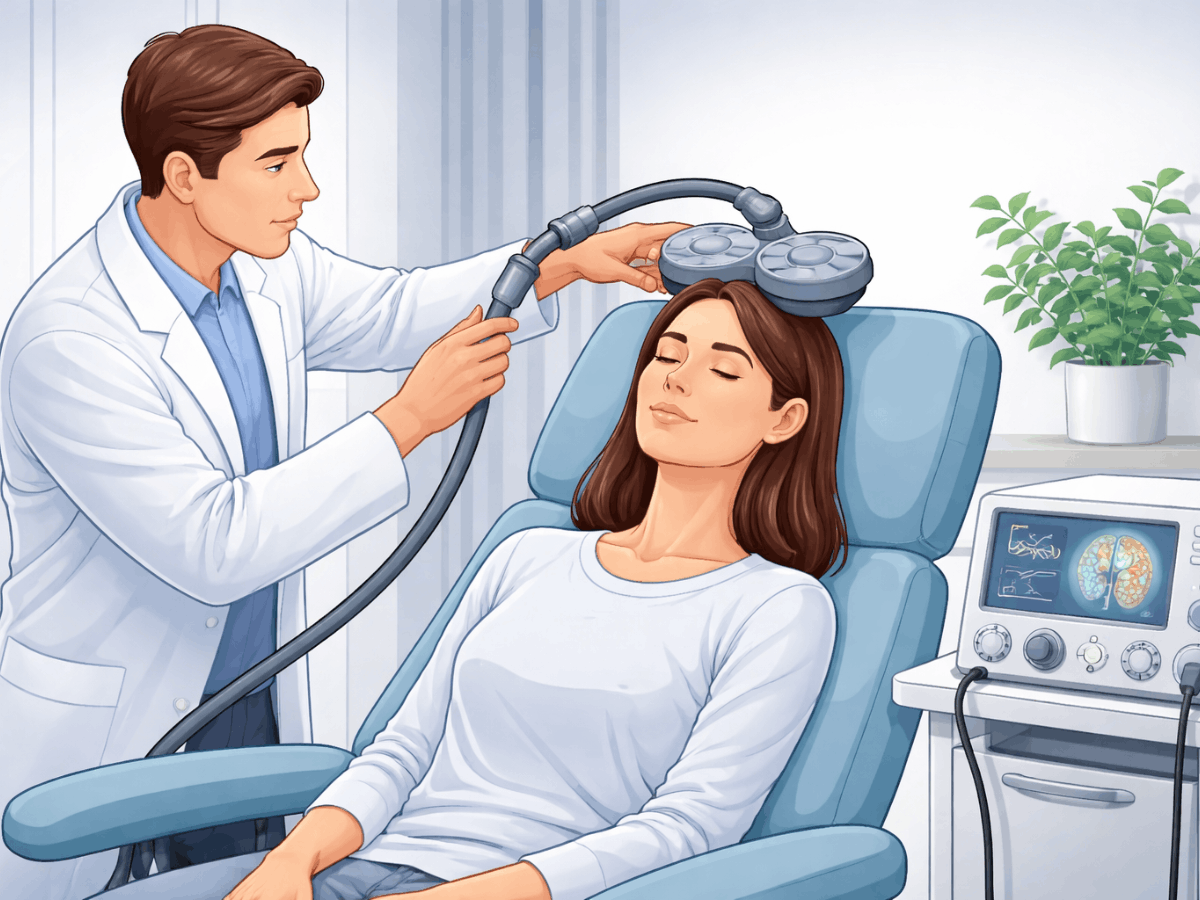
Regular TMS sessions help maintain momentum. Most treatment protocols involve frequent sessions to support mood regulation and the formation of new neural pathways. Missed sessions can slow progress and may cause symptoms to feel worse for a longer period.
Medications or Other Treatments

The use of antidepressant medications, talk therapy, or other treatment options can influence how TMS patients respond. These factors interact with individual brain chemistry and may affect how quickly symptom relief develops.
Sleep and Stress Levels

Sleep quality and stress levels play a role in how patients experience a TMS dip. Sleep disturbances, brain fog, or difficulty concentrating can make symptoms feel more intense. Managing stress and maintaining routines can support more stable progress during treatment.
These factors can influence how long the dip lasts, which is why duration varies from person to person rather than following a fixed pattern.
When It’s Not Typical and Worth Checking In
A TMS dip can occur during the early or mid-stages of transcranial magnetic stimulation (TMS) therapy, affecting roughly 20% to 25% of patients.
Most TMS dips last a few days to about 1 to 2 weeks and are usually temporary.
- Symptoms feel significantly worse: A sharp or sustained increase in depression or anxiety that feels different from earlier changes may go beyond a typical temporary exacerbation.
- No improvement after 1–2 weeks: Most patients begin to stabilize within this range. If symptoms continue to feel worse without signs of meaningful improvement, it may require review.
- Interference with daily functioning: Difficulty managing routines, work, or responsibilities may indicate the need to adjust the treatment plan.
- New or unusual symptoms: Changes such as mental fog, unexpected physical symptoms, or reactions not present before starting TMS treatment should be evaluated.
- Safety concerns: Any thoughts of self-harm or worsening distress should be addressed immediately with a healthcare provider.
Reaching out early allows your care team to review your response and make adjustments if needed. Insights from ongoing clinical research continue to inform how these adjustments are made in practice.
A More Grounded Way to Look at a TMS Dip
A TMS dip can feel like a setback, but in many cases, it’s a temporary phase within a longer treatment process. Changes in symptoms don’t always move in a straight line, especially early on.
What matters most is the overall pattern over time. Short-term fluctuations can happen as the brain adjusts, but they don’t define the final outcome.
If you’re unsure whether what you’re experiencing is typical, it’s worth checking in. You can call 1-855-4CHARAK (1.855.424.2725) or fill out the contact form to talk through your symptoms and next steps with your care team.